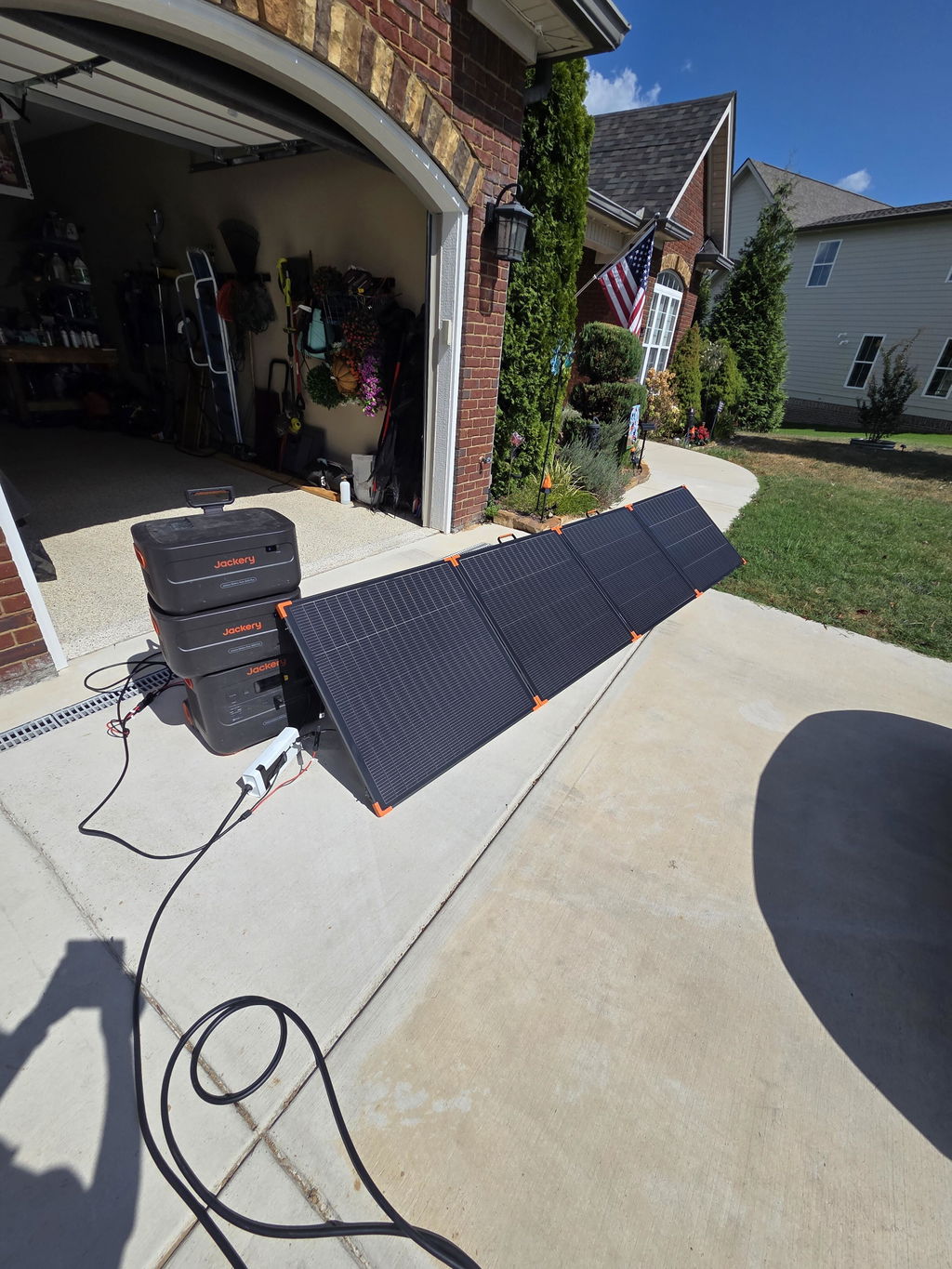
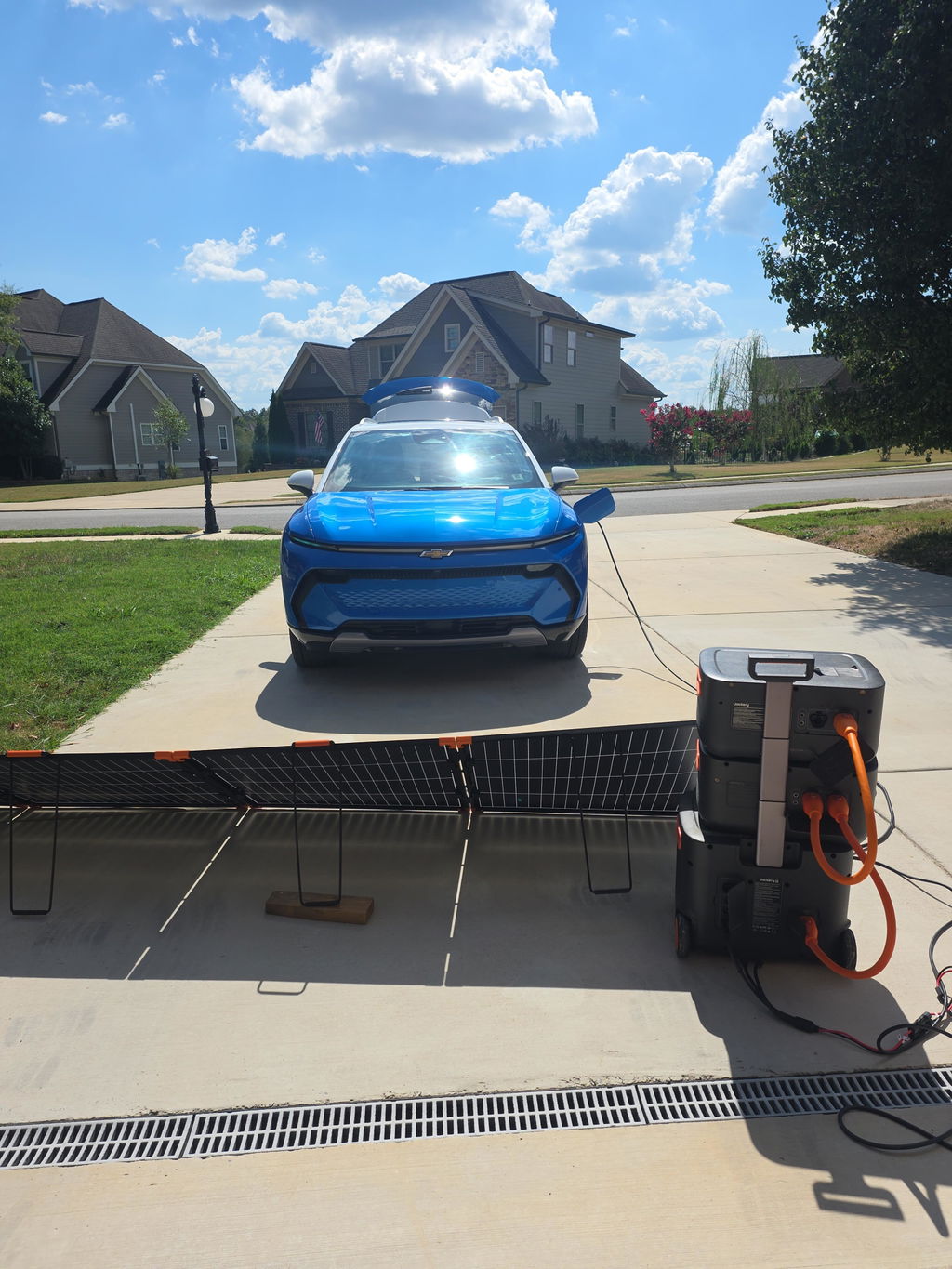
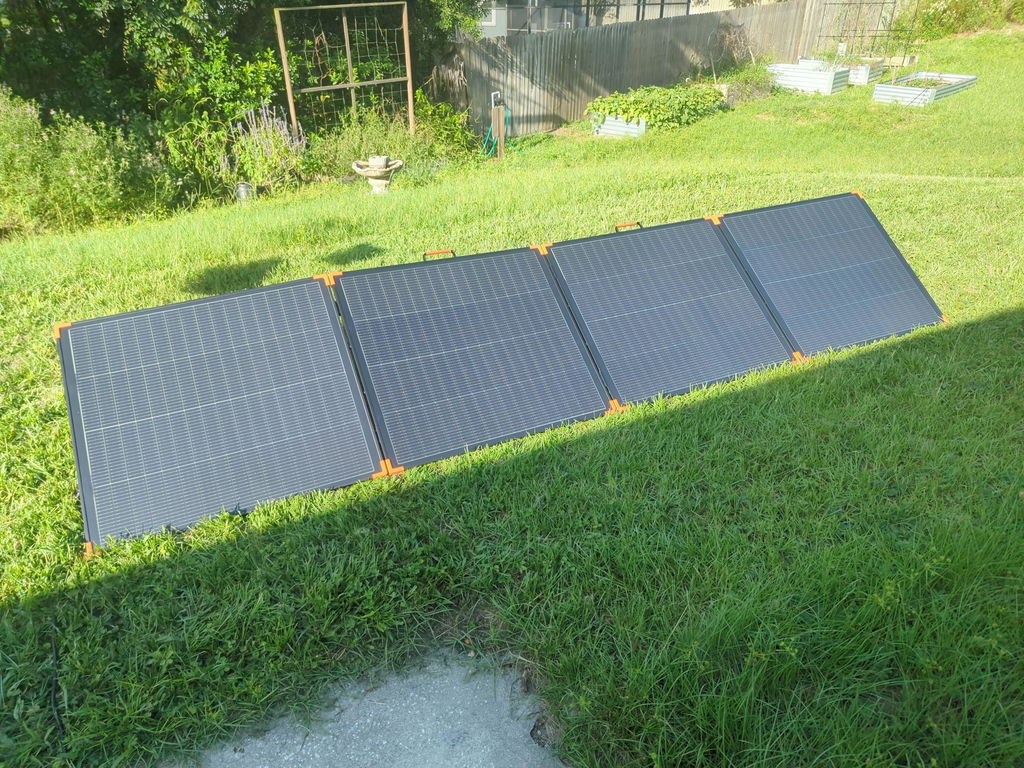
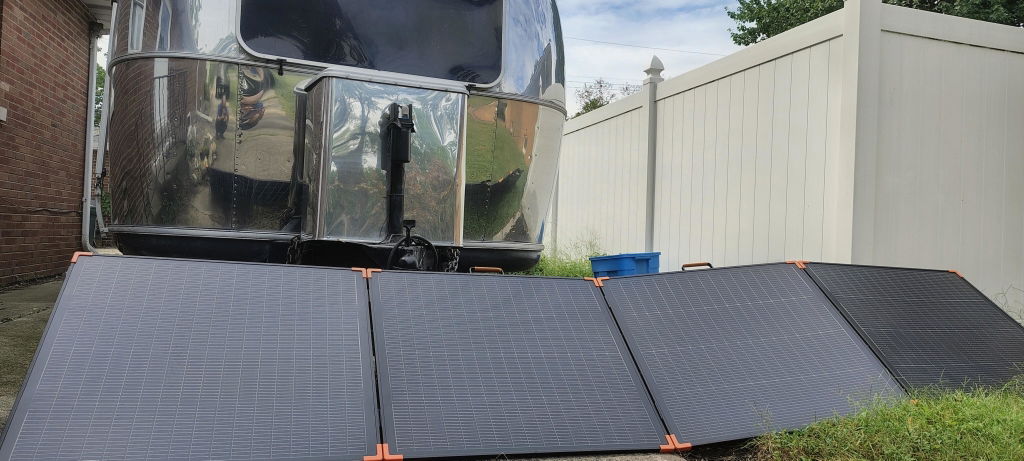
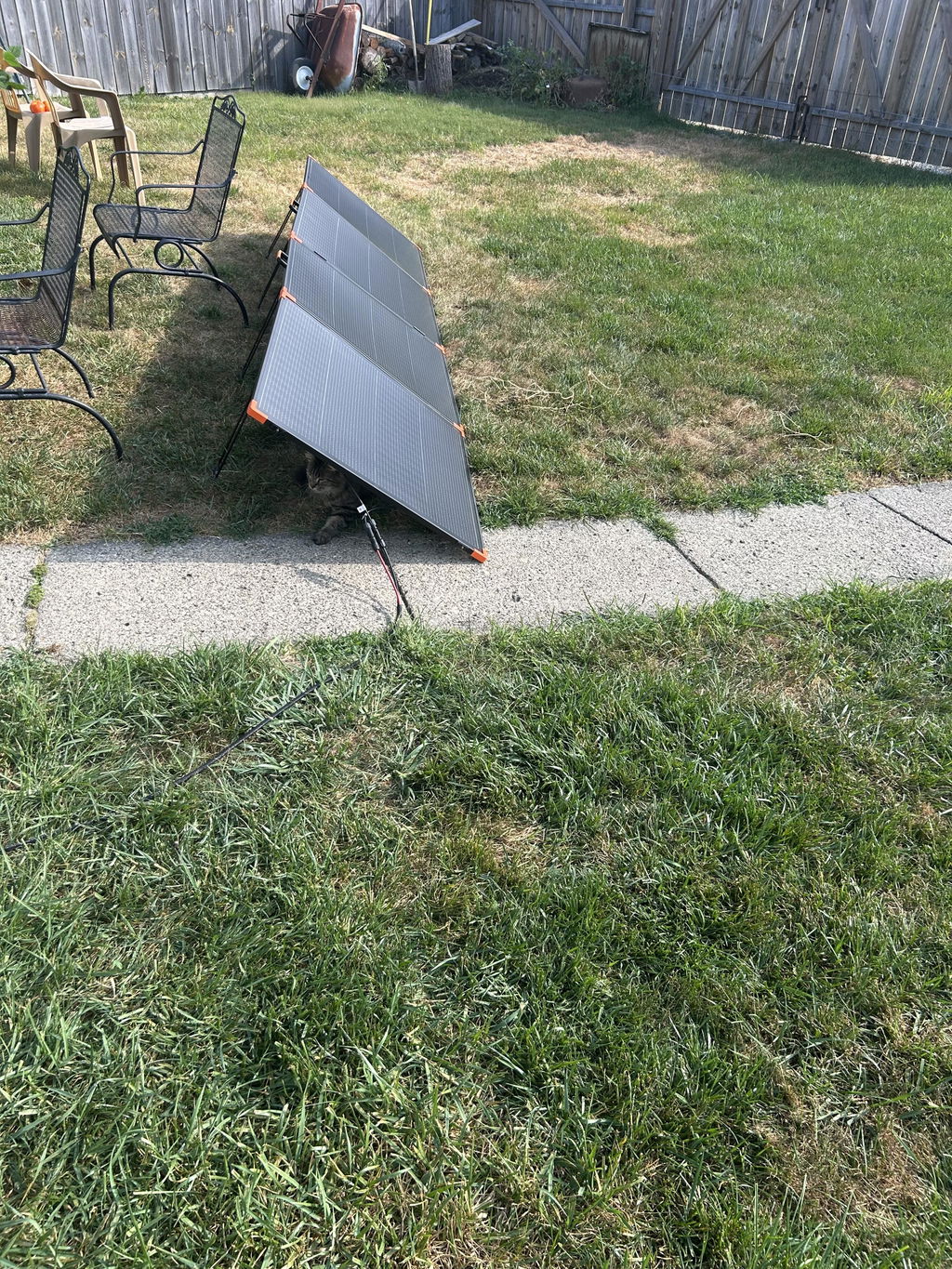
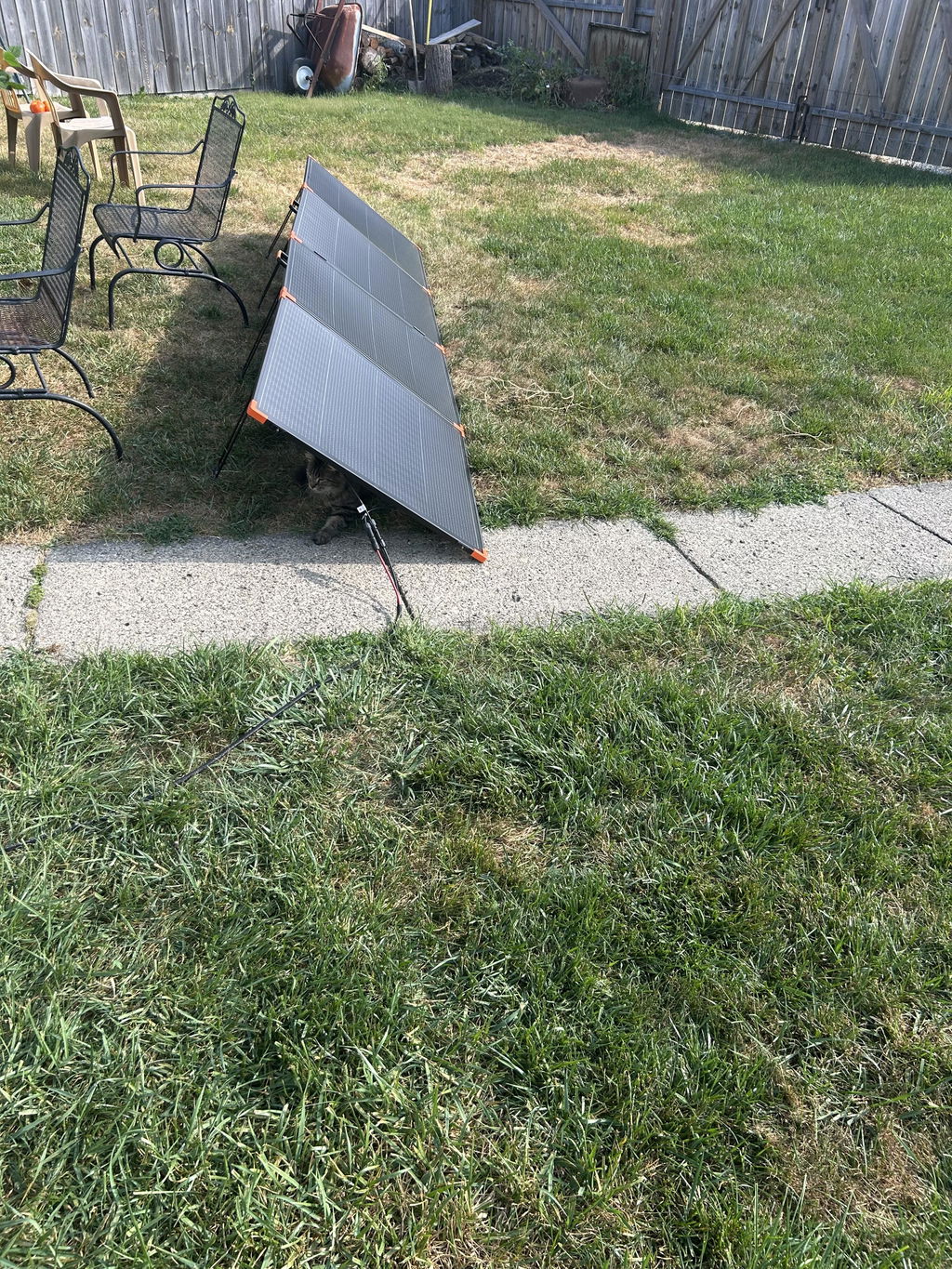
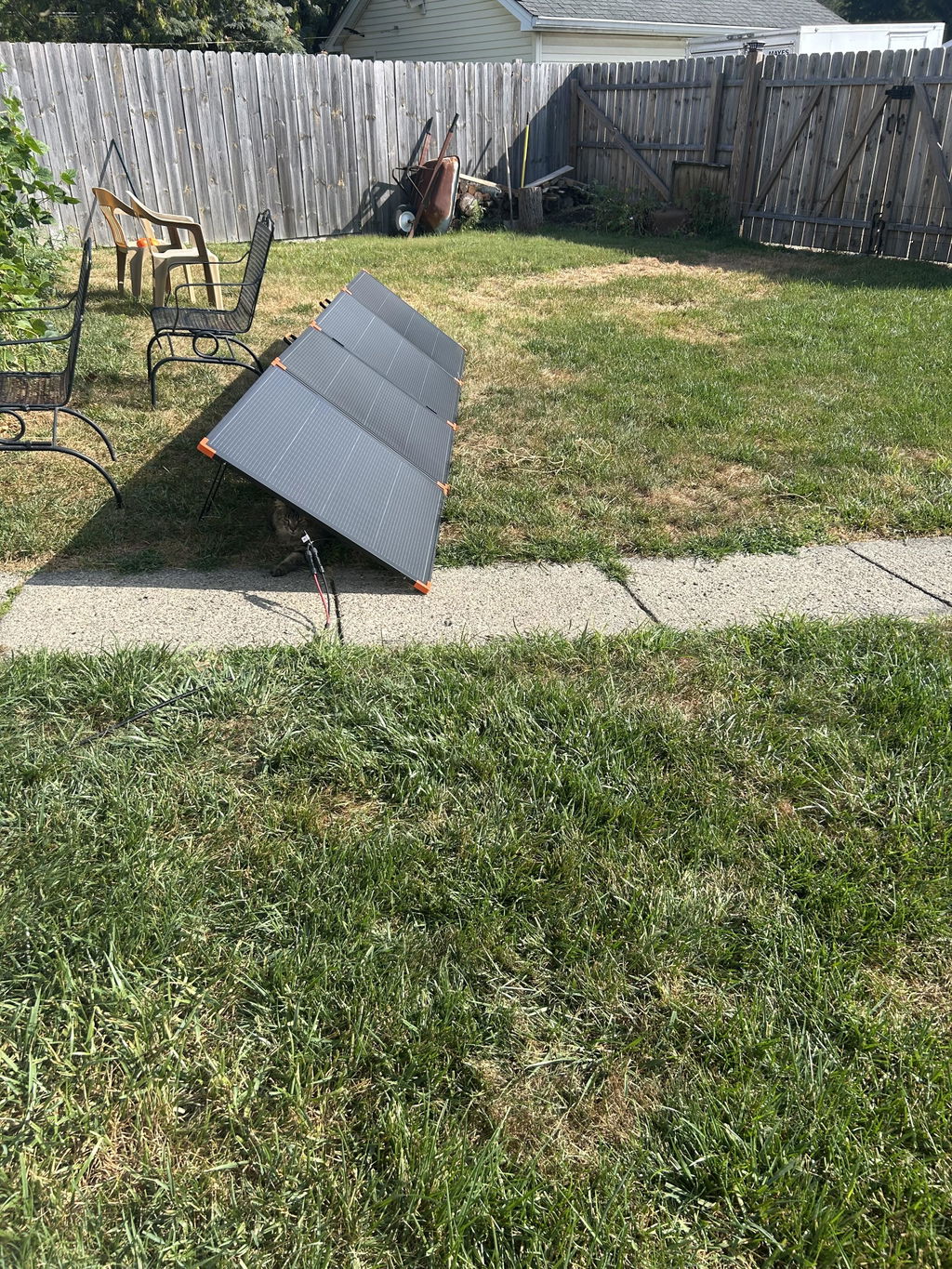
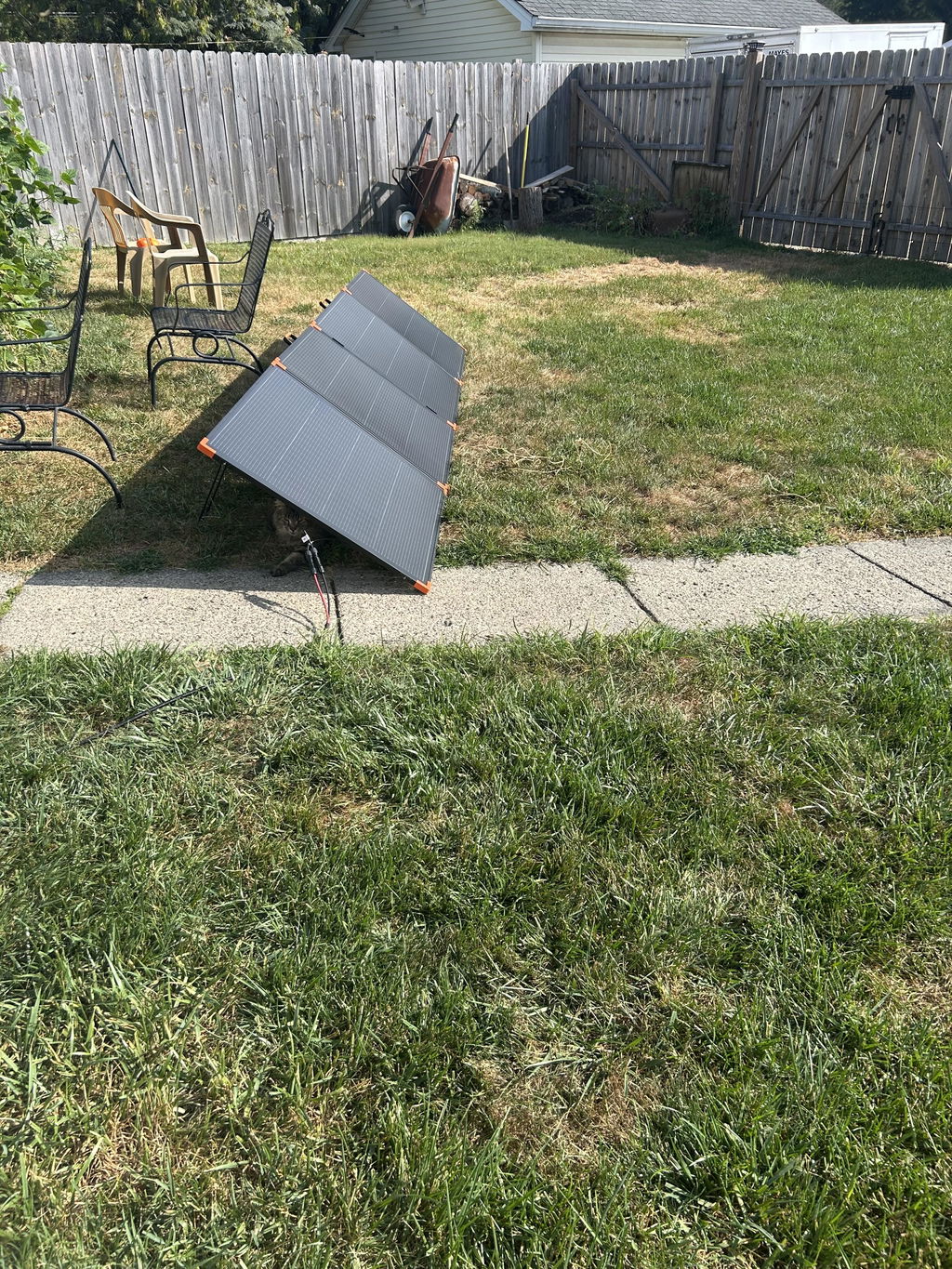
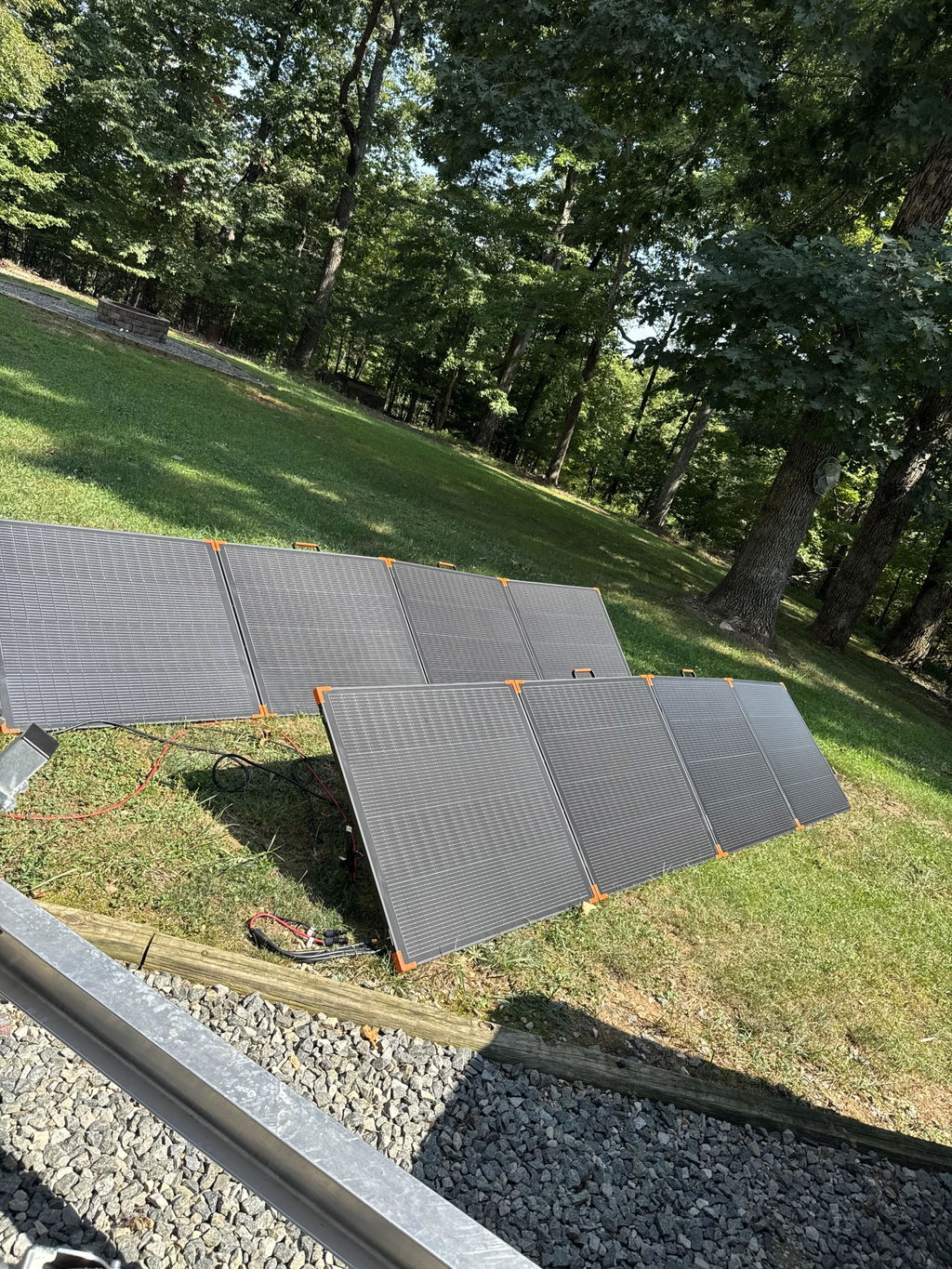
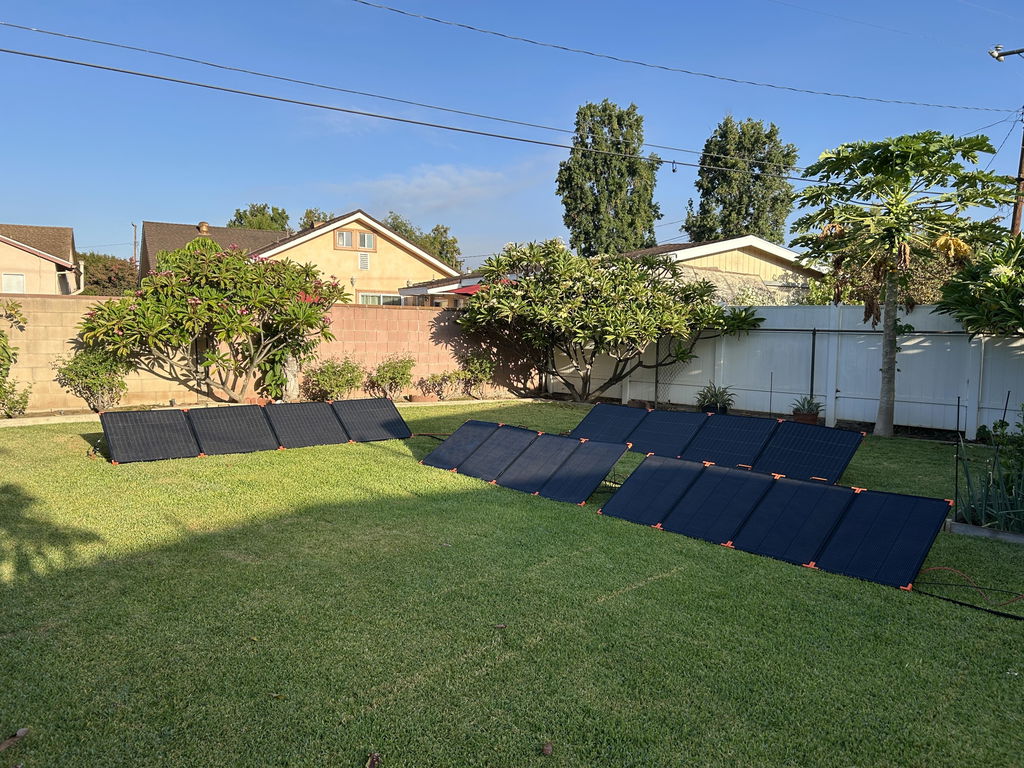
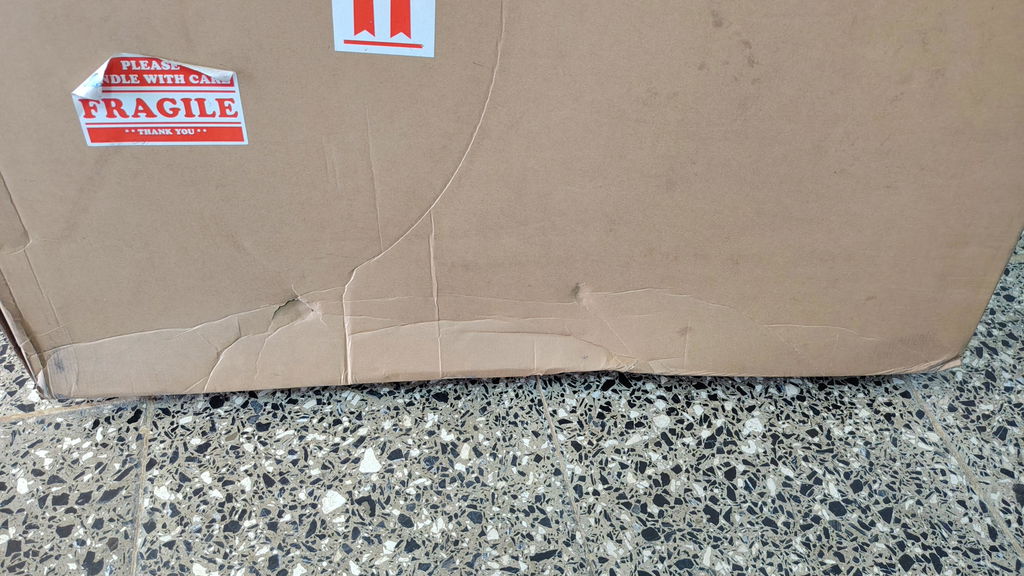
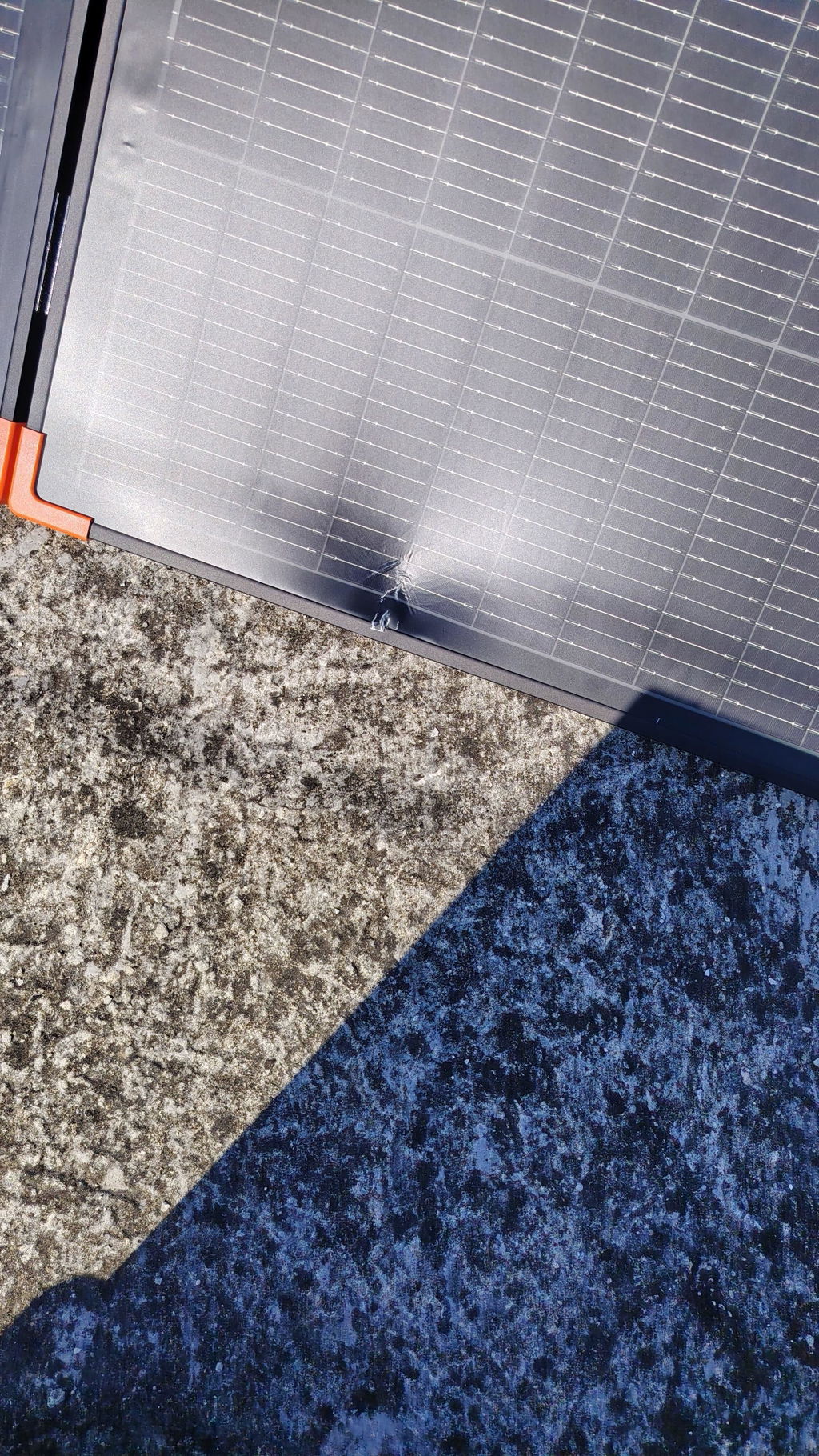
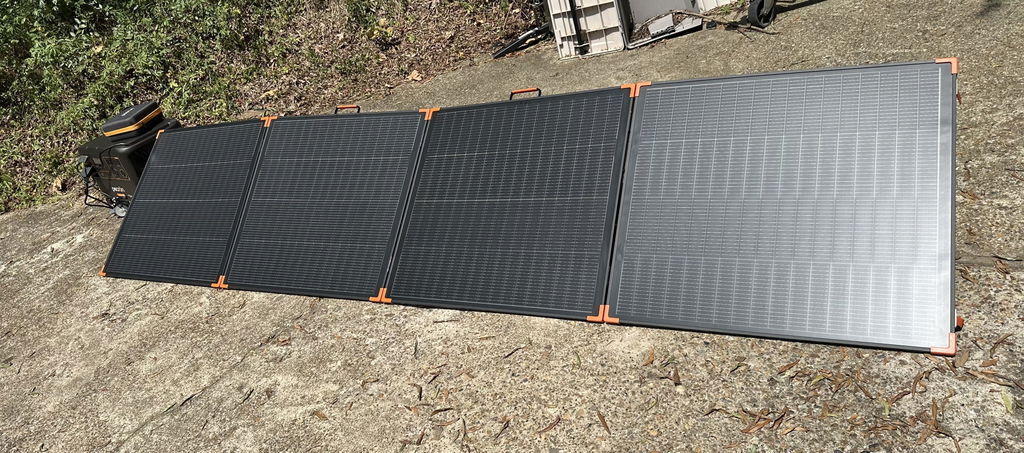
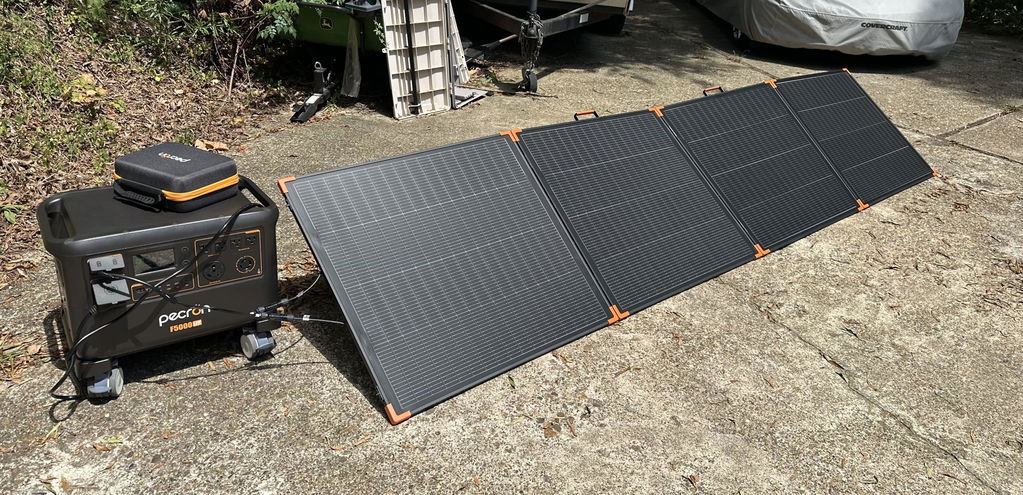
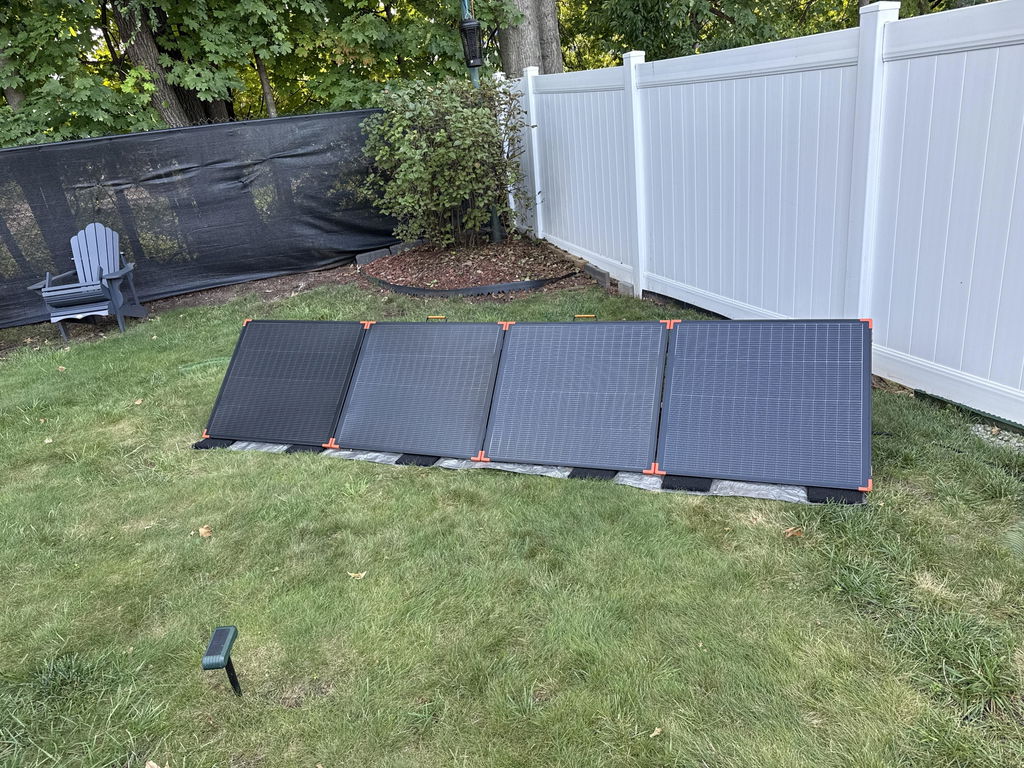
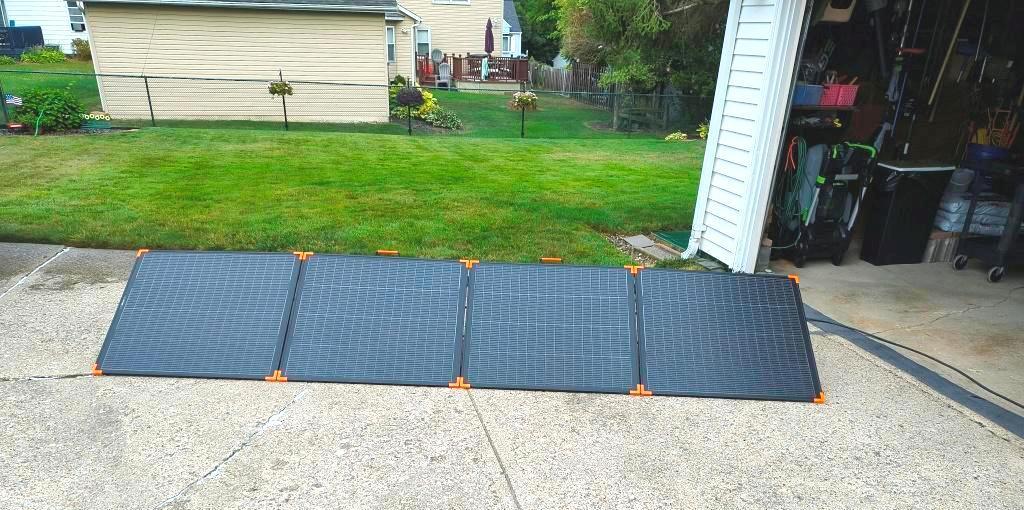
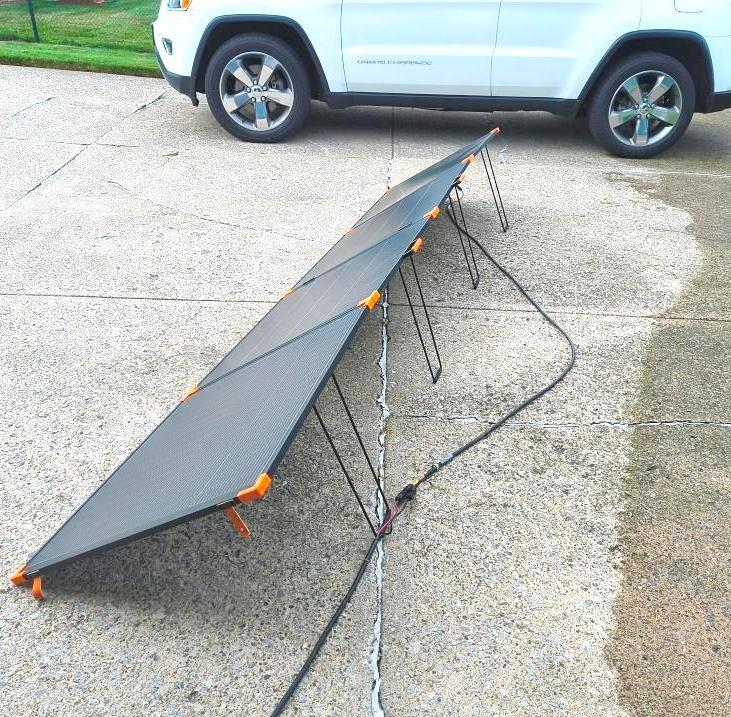
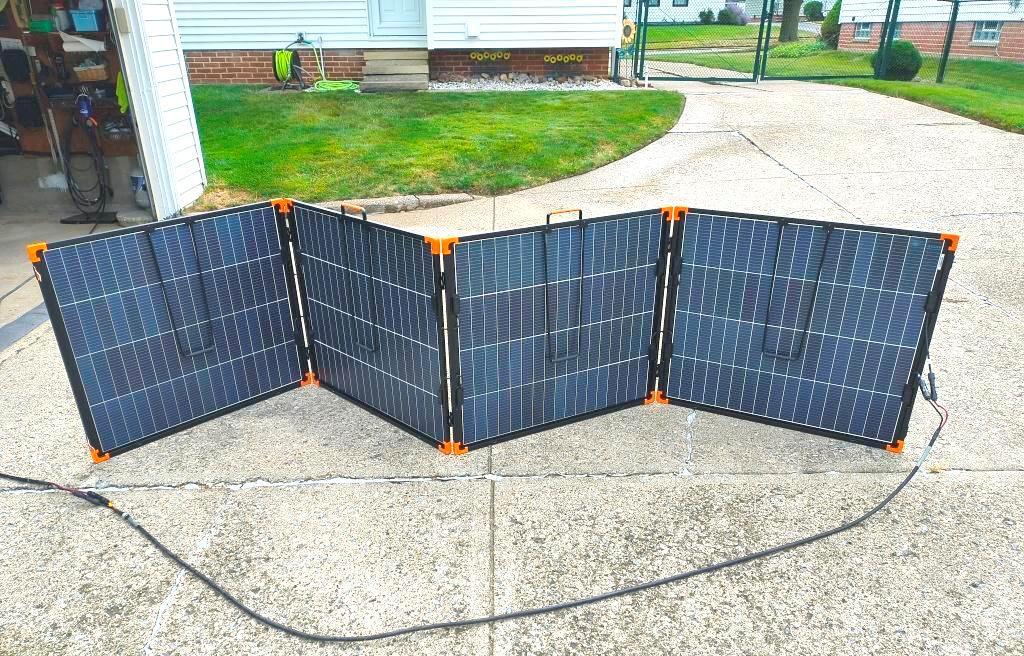
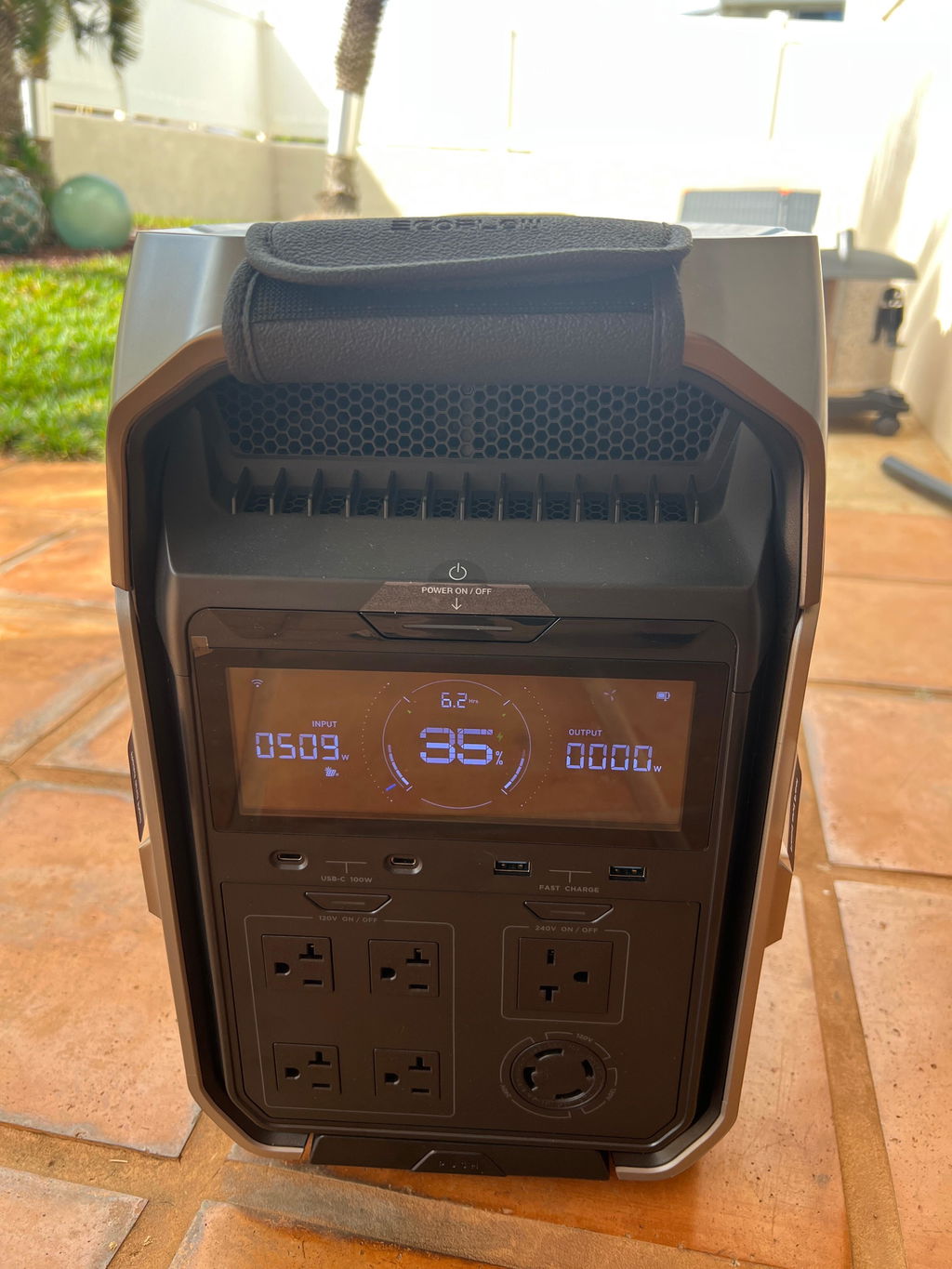
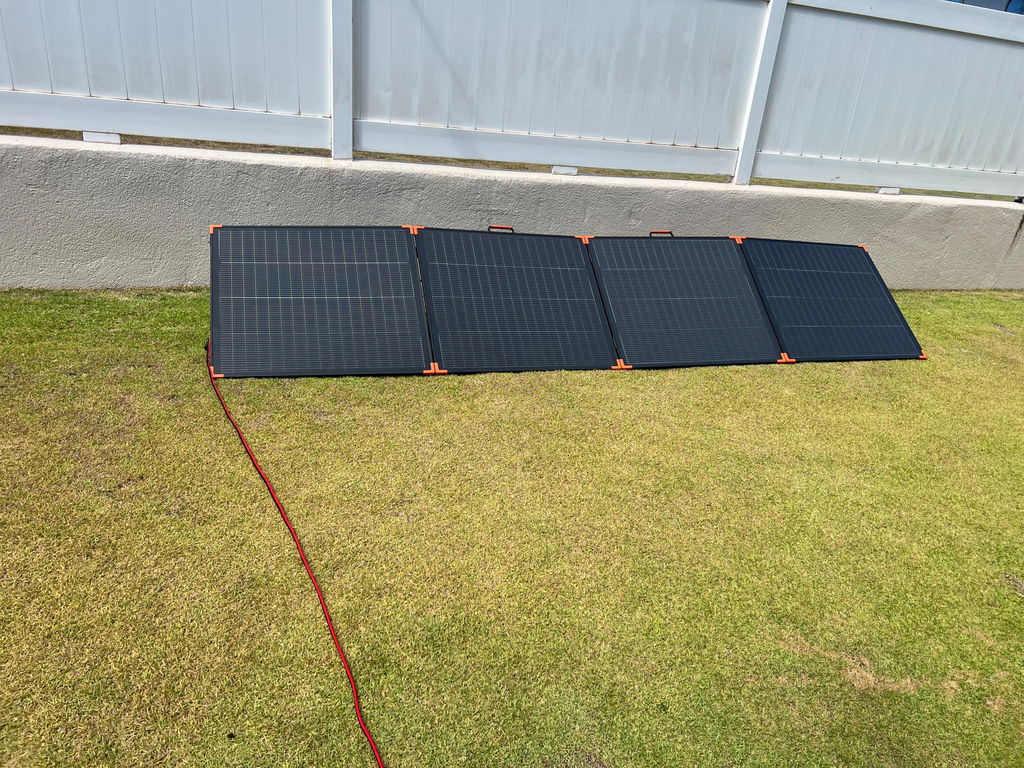
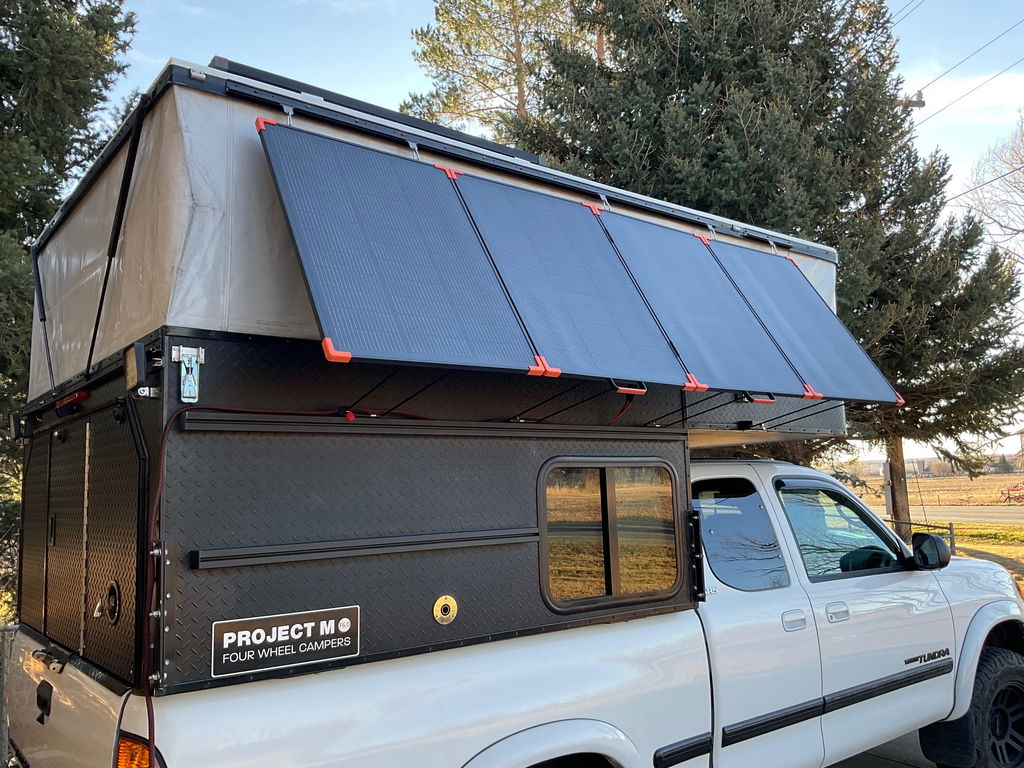
Hi there! Thank you so much for your detailed review and kind words about our solar panel. We appreciate your feedback on packaging and will consider ways to improve shipping protection. We're glad it still performs well for you! If you need any assistance, feel free to reach out.Thank you so much for the 5-star review and for sharing your experience. We're very sorry to see that the panel was damaged during international transit. From the photos, the affected area appears to have experienced some compression and deformation, so we recommend discontinuing use of the panel for safety. If you do continue using it, please carefully monitor the damaged area for any unusual heating or other changes.
We understand your concern about the packaging. Because the 480W panel is relatively large, we've already taken considerable measures to protect it, including the protective storage bag and additional packaging. Unfortunately, international transportation can involve additional handling and impacts. We truly appreciate your suggestions and will take them into consideration as we continue improving our packaging protection.
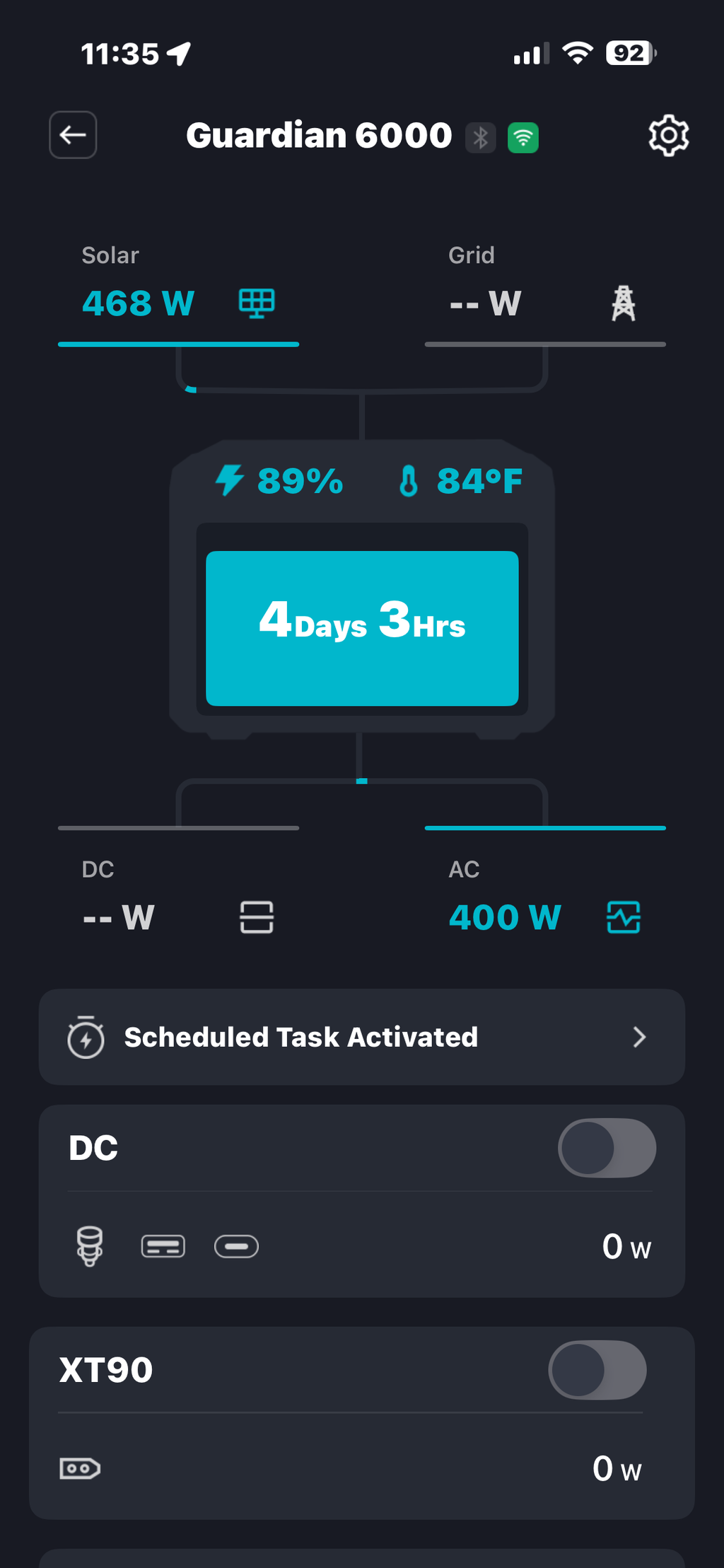
We're also very glad to hear that the panel is still producing over 400W, and we sincerely appreciate your support of ZOUPW!